Introduction
In the competitive commercial construction sector, wall systems must deliver exceptional performance across multiple parameters. Modern drywall solutions have evolved into engineered systems that address critical requirements including fire safety, acoustic control, moisture resistance, and sustainability. This article examines the technical advantages and diverse applications of contemporary drywall systems, providing valuable insights for construction professionals engaged in commercial projects worldwide.
Technical Advantages
Fire Resistance
commercial buildings, particularly healthcare facilities, educational institutions, and multi-occupancy structures, must comply with stringent fire safety regulations. Advanced drywall systems meet these requirements through specialized formulations and tested assemblies.
Type X and Type C drywall incorporate glass fibers and additives that enhance structural integrity during fire exposure, achieving ratings from 1 to 4 hours in UL-tested assemblies. These systems support compliance with International Building Code (IBC), NFPA standards, and regional regulations for commercial occupancies.
Acoustic Performance
Noise control is essential in commercial environments where acoustic comfort impacts productivity, learning outcomes, and occupant satisfaction. Modern drywall assemblies deliver superior sound isolation and absorption.
High-performance systems achieve Sound Transmission Class (STC) ratings of 50-65+, effectively isolating sensitive areas such as conference rooms, patient suites, and classrooms. Specialized acoustic panels provide Noise Reduction Coefficient (NRC) values up to 0.95, significantly reducing ambient noise levels in open-plan offices and public spaces.
Moisture and Mold Resistance
commercial facilities with high humidity or water exposure require wall systems that maintain integrity while resisting microbial growth. moisture-resistant drywall formulations incorporate water-repellent additives and treated cores that withstand demanding environments.
Products like CertainTeed's GlasRoc® and National Gypsum's PURPLE XP® provide enhanced mold resistance through specialized compositions. These systems are particularly valuable in healthcare settings, laboratories, and high-humidity climates where maintaining indoor air quality is critical.
Lightweight Construction
Compared to traditional masonry, drywall systems offer substantial weight advantages that translate into broader project benefits. Partitions weigh 8-10 times less than brick walls, reducing dead load on building structures.
This weight reduction allows for lighter foundations, decreased structural framing requirements, and potential cost savings. Lower mass also improves building response during seismic events, enhancing occupant safety in earthquake-prone regions.
Commercial Applications
Office Buildings
Contemporary workplaces demand wall systems that support flexibility, acoustic comfort, and sustainability. Modern drywall assemblies facilitate easy reconfiguration of office layouts without structural modifications, adapting to evolving business needs.
acoustic optimization reduces noise transmission in open-plan environments, improving speech intelligibility and minimizing distractions. Many drywall products contain recycled content and contribute to LEED certification goals, aligning with corporate sustainability initiatives.
Healthcare Facilities
Hospitals and medical centers have specialized requirements that advanced drywall systems effectively address. Fire-rated assemblies provide reliable compartmentation in patient rooms, corridors, and vertical shafts, supporting compliance with life safety codes.
moisture-resistant, mold-resistant formulations maintain integrity in high-humidity environments such as patient bathrooms and surgical suites. Sound-isolating assemblies ensure patient confidentiality while reducing noise levels that can interfere with recovery and clinical communication.
Educational Institutions
Schools and universities require wall systems that balance durability, acoustic performance, and functional flexibility. Specialized drywall assemblies improve speech clarity in classrooms, supporting effective teaching and learning.
Laboratory areas benefit from chemical-resistant surfaces with moisture protection. High-traffic corridors and common spaces utilize impact-resistant panels that minimize maintenance while maintaining appearance under demanding conditions.
Hospitality and Retail
Hotels, restaurants, and retail establishments require wall systems that deliver both visual appeal and practical performance. Smooth, paint-ready surfaces support premium interior finishes that enhance guest perceptions and satisfaction.
Public areas utilize durable systems that withstand constant use while maintaining aesthetic quality. Service spaces such as kitchens and bathrooms employ moisture-resistant assemblies that maintain integrity despite regular exposure to humidity and cleaning processes.
Installation Best Practices
Planning and Coordination
Successful drywall installation begins with comprehensive planning and interdisciplinary coordination. System selection should match specific room requirements, including fire ratings, acoustic standards, and moisture resistance needs.
Proper detailing addresses transitions at doors, windows, and penetrations, ensuring continuity of protection. Sequencing should coordinate with other trades to protect finished surfaces and ensure proper integration of building systems.
Framing and Preparation
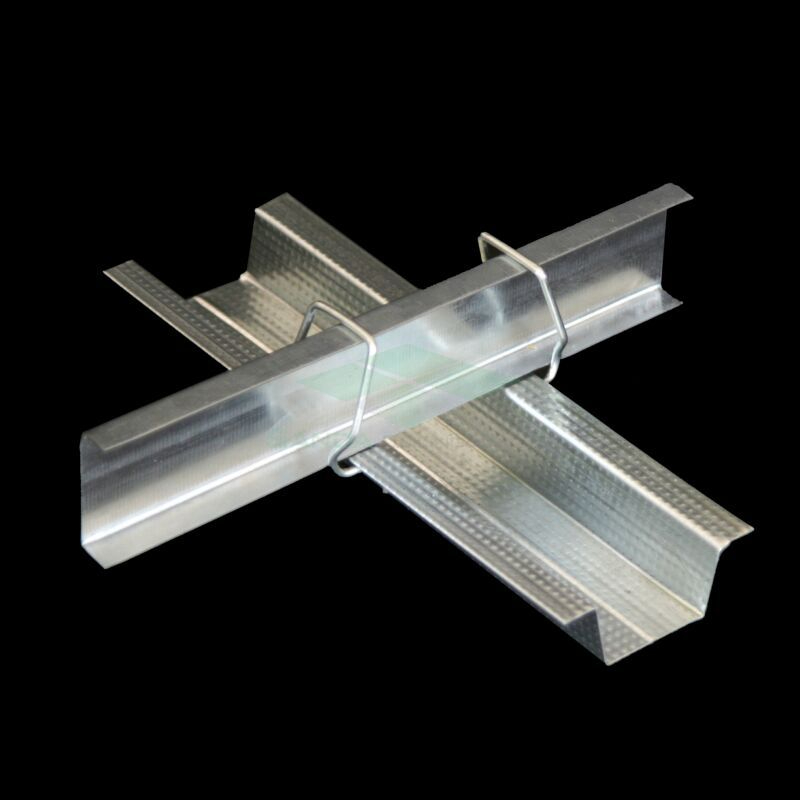
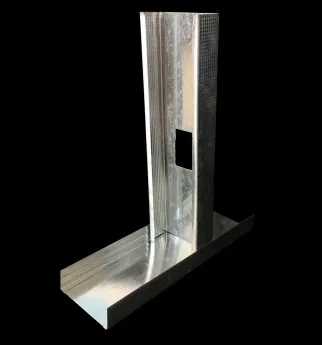
The quality of the supporting structure directly influences long-term performance. Steel framing offers superior consistency, dimensional stability, and fire resistance compared to wood alternatives.
Installation must ensure framing members are properly aligned, plumb, and securely fastened. Pre-punched studs facilitate electrical, plumbing, and data distribution without compromising structural integrity.
Board Installation
Proper installation methods prevent common issues and ensure durable performance. Horizontal panel orientation reduces vertical seams and improves structural integrity.
Fastener selection should match board thickness and substrate material. Consistent spacing with proper dimpling ensures secure attachment without damaging surface materials.
Finishing and Treatment
The finishing process determines both aesthetic quality and long-term durability. Taping strategies should utilize paper tape for flat joints and fiberglass mesh for inside corners.
Compound application requires a three-coat system with adequate drying time between applications. Surface preparation through light sanding and proper priming ensures optimal paint adhesion and professional appearance.
Cost-Benefit Analysis
Economic Advantages
Advanced drywall systems offer measurable financial benefits throughout the construction process. Installation proceeds 3-4 times faster than traditional masonry construction, significantly reducing labor costs and accelerating project schedules.
Factory-engineered components minimize material waste through precise sizing and coordinated assembly. Reduced dead load decreases foundation and structural framing requirements, generating substantial savings in multi-story projects.
Long-Term Value
Beyond initial construction savings, specialized drywall systems provide ongoing economic benefits. Enhanced thermal insulation reduces heating and cooling costs, contributing to lower operational expenses.
Durable surfaces require less frequent maintenance, repair, and repainting compared to conventional materials. Demountable systems support space reconfiguration without major demolition, adapting to evolving business needs.
Sustainability Contributions
Modern drywall systems align with contemporary sustainability initiatives. Many products incorporate significant percentages of recycled materials, supporting circular economy principles.
Gypsum panels can be fully recycled at the end of their service life, minimizing landfill waste. Low-VOC materials and mold-resistant formulations contribute to healthy indoor environments for occupants.
Conclusion
Advanced drywall solutions represent a sophisticated approach to commercial wall construction, integrating performance, safety, and sustainability into engineered assemblies. For construction professionals, these systems offer comprehensive solutions addressing diverse project requirements.
Successful implementation begins with early specialist engagement, clear performance specifications, qualified installers, future adaptability planning, and thorough documentation. By leveraging modern drywall technology, commercial construction projects can achieve superior results that deliver lasting value for building owners, occupants, and communities.